Facebook
Instagram
Twitter
Youtube
Home
News
Kitchen
Entertainment
Contact us
Search
Jim Romenesko
Home
News
Kitchen
Entertainment
Contact us
Health
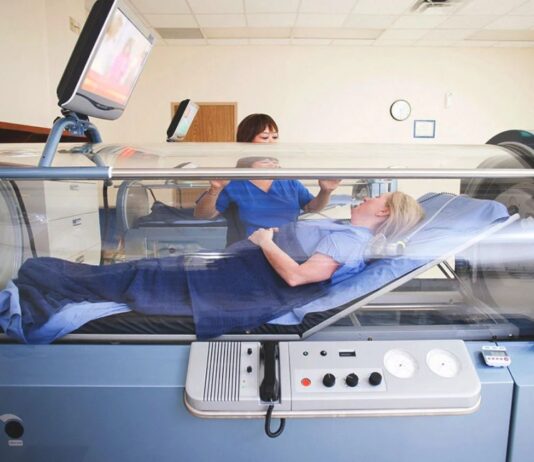
Can You Do Hyperbaric Every Day? Tips for a Healthy Routine
Ailidh Mackay
-
January 18, 2024
Top 10 Best Electric Potato Peelers 2023 – Effortless Peeling at Your Fingertips
Best Wet Grinders for Indian Cooking in 2023
Meet The Reporters From ‘Making A Murderer’ – Famous Documentary Series
Pittsburgh Tribune-Review Lays Off 153 Employees, Consolidates Newspapers
LATEST ARTICLES
Can You Do Hyperbaric Every Day? Tips for a Healthy Routine
Ailidh Mackay
-
January 18, 2024
0
Top 10 Best Electric Potato Peelers 2023 – Effortless Peeling at...
Michael Soto
-
February 2, 2023
0
Best Wet Grinders for Indian Cooking in 2023
Michael Soto
-
July 14, 2020
0
Meet The Reporters From ‘Making A Murderer’ – Famous Documentary Series
Darine Caldera
-
December 29, 2015
0
Pittsburgh Tribune-Review Lays Off 153 Employees, Consolidates Newspapers
Darine Caldera
-
November 10, 2015
0
Newsroom Caller: It’s T-H-I-E-R, Not T-H-E-I-R
Darine Caldera
-
April 10, 2015
0
Kentucky Reporter Is Fired After Criticizing A Local Car Dealer’s Tv...
Darine Caldera
-
July 21, 2014
0
Mike Pesca Quits NPR For Slate (So He Won’t Be Getting...
Darine Caldera
-
February 11, 2014
0
The State Tells Its Sports Columnist He Can’t Cover University Of...
Darine Caldera
-
September 11, 2013
0
Husband And Wife Quit The Rapid City Journal, Say Working There...
Darine Caldera
-
August 8, 2013
0
1
2
Page 1 of 2